
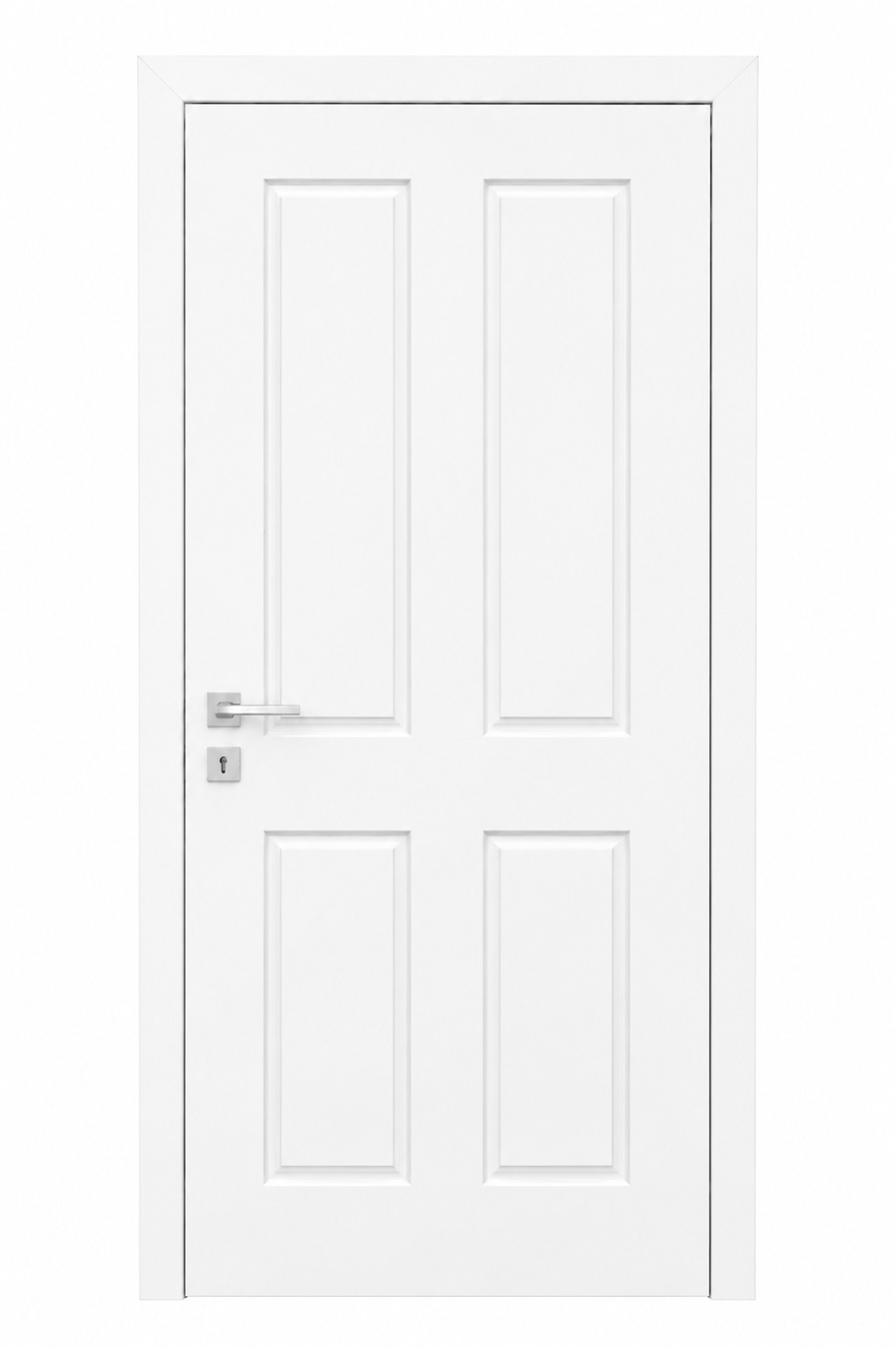
Internal doors are one of the most important finishing elements in any home or commercial property. They provide privacy, reduce noise, separate rooms and contribute to the overall appearance of the interior.
Choosing an internal door is not only about selecting a style. The material, finish, frame, hinges, hardware and installation method all affect how the door will look and perform over time.
Some projects require only a new door, while others may involve adjustments to the existing frame, repainting, new hinges or complete replacement. Every property is different, so it is important to assess the opening before deciding which solution is most suitable.
This guide explains the different types of internal doors, available finishes, frame options, hardware and fitting methods to help you make an informed decision before starting your project.
Types of Internal Doors
Internal doors are available in many different styles, materials and finishes. The most suitable option depends on the design of the property, the intended use of the room and personal preference.
Popular options include panel doors, flush doors, glazed internal doors, engineered wooden doors, MDF doors and solid wood doors. Some doors are supplied ready for painting, while others come factory finished in a range of colours or natural wood veneers.
Glazed internal doors can help increase natural light between rooms, making hallways and living areas feel brighter and more spacious. Solid doors may be a better choice where privacy or noise reduction is more important, such as bedrooms, bathrooms or home offices.
Internal doors are available in standard and custom sizes, allowing them to be fitted in both modern properties and older buildings where openings may not follow standard dimensions.
Selecting the correct door style should always take into account the layout of the property, the existing interior design and the practical requirements of each room.
Door Finishes and Colour Options
The finish of an internal door has a significant impact on both appearance and long-term maintenance.
Many internal doors are supplied primed and ready for painting, allowing the final colour to match the surrounding interior. Others are available with factory-applied finishes in matt, satin or gloss, providing a durable and consistent surface.
Natural wood finishes remain a popular choice for oak, walnut and other timber doors, while painted white doors continue to be one of the most common options for modern homes.
Depending on the project, existing door frames and architraves can often be prepared, repaired and repainted to match the new door instead of being completely replaced. This can provide a consistent appearance throughout the property while avoiding unnecessary work.
Choosing matching colours for the door, frame, trims and hardware helps create a clean and balanced finish that complements the overall interior design.
Existing Door Frames
Replacing an internal door does not always mean replacing the entire frame.
Before fitting a new door, the condition of the existing frame should be checked carefully. A straight and solid frame can often be reused, saving both time and unnecessary expense.
The frame should be inspected for movement, damage, poor alignment, moisture damage, previous repairs and the overall condition of the timber. Small imperfections can often be repaired without removing the entire frame.
In many cases, preparing the existing frame provides an excellent result. This may include sanding, filling, repainting, adjusting the frame or making small corrections before the new door is fitted.
Only when the frame is badly damaged, severely twisted or unsuitable for the new door is complete replacement usually considered.
Assessing the frame separately from the door allows the most suitable solution to be chosen instead of replacing parts that can continue to perform well for many years.
Hinges, Door Preparation and Professional Fitting
Every internal door requires accurate preparation before installation.
The door may need trimming to size, new hinge recesses, handle preparation, lock drilling and final adjustments to ensure it fits the opening correctly.
If the existing hinge positions match the new door, they can often be reused. Where this is not possible, the previous hinge recesses can be professionally filled and prepared before new hinge positions are created. This allows the frame to remain in place while providing a clean and reliable installation.
Correct hinge positioning is important for the long-term performance of the door. Accurate alignment helps the door open and close smoothly, prevents rubbing against the floor or frame and reduces unnecessary wear on the hinges and hardware.
Professional fitting also includes checking door clearances, latch alignment, handle operation, lock position and the final movement of the door before the installation is completed.
Door Hardware and Accessories
The right hardware completes the appearance of an internal door while ensuring reliable everyday use.
Popular hardware options include door hinges, handles, privacy locks, bathroom locks, latches, magnetic catches, door stops, escutcheons and matching hardware sets.
Kick plates can also be fitted where additional protection is required. These are commonly used in commercial buildings, offices, apartment entrances and other high-traffic areas where the lower part of the door is more likely to be damaged.
The hardware should match both the style and finish of the door. Modern interiors often use black, stainless steel or brushed metal finishes, while traditional properties may suit brass or classic handle designs.
Selecting suitable hardware at the same time as the door helps achieve a consistent appearance throughout the property while ensuring all components work together correctly.
Internal Doors for Every Room
Different rooms often require different types of internal doors.
Bedrooms usually benefit from solid doors that provide privacy and help reduce noise. Bathrooms commonly use painted or moisture-resistant doors with suitable privacy locks, while glazed doors are often selected for kitchens, dining areas and hallways to increase the amount of natural light.
Internal doors are also widely used in apartments, offices, commercial premises and rental properties, where durability and ease of maintenance are important considerations.
Whether the project involves replacing a single door or updating every internal door throughout the property, choosing a consistent style, finish and hardware can create a balanced appearance across the entire interior.
Selecting the correct door for each room helps improve both the appearance and the everyday functionality of the property.
Choosing the Right Internal Door
There is no single internal door that suits every property.
The most suitable option depends on the size of the opening, the condition of the existing frame, the style of the interior, the level of privacy required and the preferred finish.
Some projects require only a replacement door fitted into the existing frame, while others may benefit from frame preparation, repainting, new hardware or minor adjustments before installation.
Taking the time to assess the opening properly before ordering a door can help avoid unnecessary work and ensure a better long-term result.
A carefully selected and professionally fitted internal door will not only improve the appearance of a property but also provide smooth operation and reliable performance for many years.
Need Help with Internal Doors?
Whether you are replacing a single internal door or planning to update several doors throughout your property, choosing the right solution starts with accurate measurements and careful assessment of the existing opening.
If you are unsure which type of internal door is most suitable, send us a few photos, approximate measurements and a short description of your project using WhatsApp or the contact form.
We will review your request, explain the available options and help you choose the most suitable solution for your home or business in Dublin.
We look forward to hearing from you.